Navigating UK Tax Paperwork: The Essence of Certified Translations and Services
In the UK, accurately translating tax documents is a critical task that requires professional certified translation services. These specialized services ensure that all tax-related paperwork—including balance sheets, income statements, and tax…….
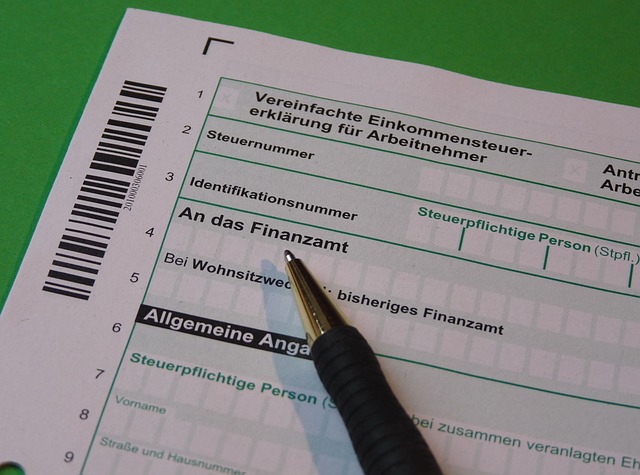
In the UK, accurately translating tax documents is a critical task that requires professional certified translation services. These specialized services ensure that all tax-related paperwork—including balance sheets, income statements, and tax returns—is precisely translated from any language into English, adhering to HM Revenue and Customs (HMRC) regulations. The translators must be fluent in both the original and target languages and possess specialized knowledge of legal, financial, and administrative terminology to guarantee the translations' accuracy and compliance. Certified translators provide a signed statement of accuracy and a certificate of authenticity, along with their official seal or stamp. Choosing an accredited UK translation service that is recognized by professional bodies within the UK ensures that the translated documents are accepted as authentic by tax authorities. This process is essential for individuals and businesses alike to meet their tax compliance obligations in the UK without legal complications or delays. Utilizing these services is not just a matter of language translation but a necessity for fulfilling tax reporting requirements accurately and efficiently.
navigating the complexities of tax compliance in the UK, particularly for non-English speaking individuals and businesses, is crucial. Ensuring that tax documents are accurately translated and certified is a pivotal step in this process. This article delves into the essential role of accredited translation services in maintaining tax compliance within the UK’s regulatory framework. We will explore the types of documents that necessitate certified translations, the stringent criteria for these translations to be recognised by UK authorities, and the importance of language proficiency and cultural nuances in achieving document authenticity. By examining case studies where certified translations facilitated successful tax filings, readers will gain insights into best practices for this critical aspect of UK tax paperwork.
- Understanding the Necessity of Certified Translations for UK Tax Paperwork
- The Role of Accredited Translation Services in UK Tax Compliance
- Key Types of Documents Requiring Certified Translations for UK Tax Purposes
- Criteria for a Translation to be Considered Certified in the UK Context
- Navigating the Process: How to Obtain Certified Translations for Tax Documents
- The Importance of Language Proficiency and Cultural Nuances in Translation
- Verifying the Authenticity of Translated Tax Documents with UK Authorities
- Case Studies: Successful Tax Filings with Certified Translations in the UK
Understanding the Necessity of Certified Translations for UK Tax Paperwork

Navigating the intricate world of UK tax paperwork often necessitates the inclusion of documentation in languages other than English. For non-English speaking individuals or businesses dealing with HM Revenue & Customs (HMRC), it is imperative to present translations that are both accurate and certified. Certified translations for UK tax paperwork are not merely a formality; they are a critical component that ensures the accuracy and acceptance of foreign language documents. Translations must be provided by professional UK translation services that hold the necessary accreditation, such as the Association of Translation Companies (ATC) or equivalent bodies. These services offer the guarantee that their translations meet the stringent requirements set forth by HMRC. The certified translator’s signature and stamp of authority attest to the document’s reliability and authenticity, which is crucial for tax-related processes. This certification avoids potential complications or delays in tax filings, refund claims, or compliance checks, safeguarding individuals and businesses from legal and financial repercussions due to misinterpretation or uncertified translations. Utilizing reputable UK translation services ensures that all tax documents are correctly translated, facilitating smooth interactions with HMRC and maintaining fiscal integrity.
The Role of Accredited Translation Services in UK Tax Compliance

When navigating the complexities of UK tax compliance, the precision and accuracy of tax documents are paramount. Accredited translation services play a pivotal role in ensuring that all financial documentation is accurately translated to facilitate compliance with Her Majesty Revenue and Customs (HMRC) regulations. For non-UK residents or businesses dealing with British assets, it is imperative to present tax forms, accounts, and other relevant documents in both English and the language of origin. This is where professional UK translation services excel, offering a bridge between foreign entities and the UK tax system. These services are staffed by expert translators who not only possess a command of linguistic nuances but are also well-versed in the financial lexicon, thereby mitigating any risk of misinterpretation or miscommunication with HMRC. By providing certified translations that meet the legal and tax requirements of the UK, these translation professionals ensure that all tax-related paperwork is compliant, thus avoiding potential penalties or legal issues related to incorrect document submissions. Utilising reliable UK translation services is a strategic step for both individuals and companies to adhere to tax regulations while operating within the UK’s financial framework.
Key Types of Documents Requiring Certified Translations for UK Tax Purposes

navigating the complexities of UK tax regulations often necessitates the submission of various tax documents. For individuals and businesses whose records are maintained in a language other than English, the requirement for certified translations becomes paramount. Certified translation services play a crucial role in ensuring that tax documents such as annual financial statements, corporate tax returns, and VAT registers are accurately translated and recognized by UK tax authorities. These professional services provide translators who are not only linguistically proficient but also well-versed in the specific terminology related to taxation. This guarantees the precise translation of technical terms and financial data, which is essential for compliance with HM Revenue & Customs (HMRC) standards.
For non-UK residents with income sources within the UK, or those selling property or assets, certified translations become a critical component of their tax submission. This includes translating rental income statements, capital gains tax forms, and inheritance tax documents. The accuracy of these translations is not just a matter of legality but also affects the precise calculation of liabilities and potential refunds. Utilizing UK translation services that offer certified translations ensures that all foreign language documents meet the exacting standards required by the UK tax system, thereby facilitating seamless and efficient tax filing processes for individuals and entities from diverse linguistic backgrounds.
Criteria for a Translation to be Considered Certified in the UK Context

In the UK, translating tax documents requires a high level of accuracy and certification to ensure that the translated content accurately represents the original text. A certified translation is one that has been verified by a professional translator who is accredited by a relevant authority, such as the Institute of Translation and Interpreting (ITI) or the Chartered Institute of Linguists (CIOL). These bodies ensure that their members adhere to strict ethical guidelines and maintain a high standard of professionalism. For tax documents, this means that every figure, term, and statement is rendered in the target language with precision, reflecting all nuances of the source text. The translator must also include a statement confirming that the translation is complete and accurate, along with their official stamp or signature. This certification is crucial for UK tax paperwork as it often involves legal and financial details that require exactness to comply with HM Revenue & Customs (HMRC) standards. Translation services specialising in tax documents for the UK context understand these requirements and provide certified translations that are acceptable to tax authorities, ensuring a smooth process for individuals and businesses dealing with cross-border tax obligations.
When engaging with UK translation services for tax documents, it is imperative to verify the credentials of the service provider to ensure that your translated papers will be accepted by HMRC. A certified translation is not merely a linguistic exercise; it is a legal requirement that can affect your tax status and compliance. The translation must convey all relevant information without any alterations or omissions, and the certification must clearly indicate that the document has been translated by a qualified professional. This level of assurance is essential for maintaining the integrity of financial records and for meeting the legal obligations set forth by UK tax laws.
Navigating the Process: How to Obtain Certified Translations for Tax Documents

When the need arises to present tax documents in the UK that were originally composed in another language, securing a certified translation becomes paramount. This process ensures that your foreign-language tax documents are legally recognized and accepted by Her Majesty’s Revenue and Customs (HMRC) or other relevant authorities. To begin, identify a reputable UK translation service that offers certified translations. These professionals specialize in accurately converting your financial records, such as balance sheets, income statements, and tax returns, into English while adhering to the specific standards required by UK law. The chosen translation agency should be proficient in both the source and target languages and possess the necessary accreditation to issue certified translations, typically accompanied by a signed statement of accuracy and a certificate of authenticity. This certification verifies that the translation is complete and faithful to the original content. It’s crucial to engage with a translation service that maintains professional indemnity insurance, ensuring additional protection and peace of mind for your tax-related documentation. Once you have selected a suitable provider, provide them with clear and precise instructions regarding the documents that require translation. Ensure that all necessary information is included in full, as any omission could lead to complications or delays in your tax submission process. Upon completion, review the translated documents carefully to confirm their accuracy before submitting them to the UK tax authorities, thereby fulfilling your legal obligations without compromise.
The Importance of Language Proficiency and Cultural Nuances in Translation

When engaging with tax documents in the UK, language proficiency and a keen understanding of cultural nuances are paramount for accurate translation services. Language translators tasked with converting tax-related paperwork must possess not only fluency in both the source and target languages but also a deep familiarity with the cultural contexts that can influence how information is presented and interpreted. This proficiency ensures that all legal, financial, and administrative details are rendered accurately, reflecting the original intent and meaning without ambiguity or error. Tax documents often contain complex terminology and specific legal structures that require precise handling to remain legally compliant and valid across different jurisdictions.
Cultural nuances play a critical role in translation, particularly within the context of UK tax paperwork. A translator must consider idiomatic expressions, legal jargon, and the cultural significance of certain terms that might not have direct equivalents in the target language. The translation process is not merely a matter of word-for-word transcription; it involves a thoughtful analysis of how concepts are understood and communicated within different cultures. This nuanced approach is essential for Certified Translations, which are legally required for official use and must meet strict standards for accuracy and comprehensiveness. By leveraging professional UK translation services that prioritize both linguistic expertise and cultural insight, individuals and businesses can navigate the complexities of tax documentation with confidence, ensuring their submissions to HMRC are clear, compliant, and correct.
Verifying the Authenticity of Translated Tax Documents with UK Authorities

When engaging with the UK tax system, it is imperative that all foreign tax documents are accurately translated into English to comply with Her Majesty Revenue and Customs (HMRC) requirements. Translations must not only convey the content of the original documents accurately but also be accepted as authentic by UK authorities. This is where certified translations come into play. These translations are executed by professional translation services that are authorised to verify their work, ensuring the translated text is a true and exact representation of the source material. The certification process typically involves the translator signing a statement of accuracy and competence, along with providing contact information for HMRC’s verification should there be any doubt about the authenticity of the translation. To ensure seamless acceptance by UK tax authorities, it is advisable to use translation services that are accredited and recognised by relevant professional bodies. These services often provide an additional layer of security in the form of a seal or stamp on the translated document, which serves as proof of its legitimacy. This certification process is crucial for maintaining the integrity of tax documents and avoiding any legal complications arising from misrepresented information due to poor translations. Engaging with a reputable UK translation service not only streamlines the process but also safeguards your tax compliance obligations.
Case Studies: Successful Tax Filings with Certified Translations in the UK

UK businesses and individuals often encounter the need for translating tax documents to navigate the complexities of international financial reporting and compliance. For instance, a multinational corporation with subsidiaries in France and Spain may generate records in multiple languages, including French and Spanish. To ensure accurate reporting within the UK, these documents must be translated into English by professional UK translation services. A case study that exemplifies this is a London-based tech startup that expanded operations to Germany. The company faced challenges with its annual tax filings due to financial statements prepared in German. By enlisting the expertise of a reputable translation service specializing in tax documents UK, the startup successfully submitted their tax returns without delay or misinterpretation of figures. This precise translation was pivotal in avoiding potential penalties and ensuring compliance with UK tax laws.
Another case study involves an individual who relocated to the UK from Brazil and needed to report foreign income. The tax documents, originally in Portuguese, required a certified translation to be submitted alongside the individual’s tax return. A professional UK translation service not only provided a quick turnaround but also guaranteed the accuracy of the translation. This certification was crucial for the HM Revenue and Customs (HMRC) to process the tax filing accurately, leading to a smooth and successful tax submission for the new UK resident. These examples underscore the importance of utilizing reliable UK translation services for tax documents to facilitate compliance with UK tax regulations, ensuring that all financial information is correctly interpreted and reported.
When navigating the complexities of UK tax paperwork, particularly for non-native English speakers or international businesses, the necessity of accurate and certified translations cannot be overstated. This article has delineated the critical role that accredited translation services play in ensuring tax compliance within the UK. It outlines the types of documents that necessitate such translations, the rigorous criteria for certification, and the steps involved in obtaining them. Moreover, it highlights the significance of language proficiency and cultural nuances to maintain integrity in translations. With verified certified translations, individuals and entities can confidently file their tax documents with UK authorities. The provided case studies serve as testaments to the successful outcomes achievable through professional translation services. In conclusion, for precise and compliant tax documentation in the UK, relying on seasoned UK translation services is not just a legal requirement but an indispensable measure to ensure clarity, accuracy, and proper tax filing.